



Spring Refresh: Why a Kilim Rug Changes the Entire Room
Spring is about renewal, opening the windows, shifting the light, rethinking a space you thought you knew. And sometimes, the transformation doesn’t require new furniture or a full redesign. Sometimes it begins from the ground up.
A kilim rug has the power to change the entire room.
At Clic, our kilim rugs are hand made by artisan women in rural Punjab, Pakistan. Each piece takes between three and nine months to complete. Months of weaving. Months of storytelling. Months of tradition carried forward thread by thread. These are not decorative afterthoughts, they are works of art meant to live in your home.
What Is a Kilim Rug?
A kilim rug is a flatwoven rug, meaning it has no pile. Unlike plush or knotted rugs, the design is woven directly into the structure of the textile itself. This creates a smooth surface with incredible detail and clarity in pattern.
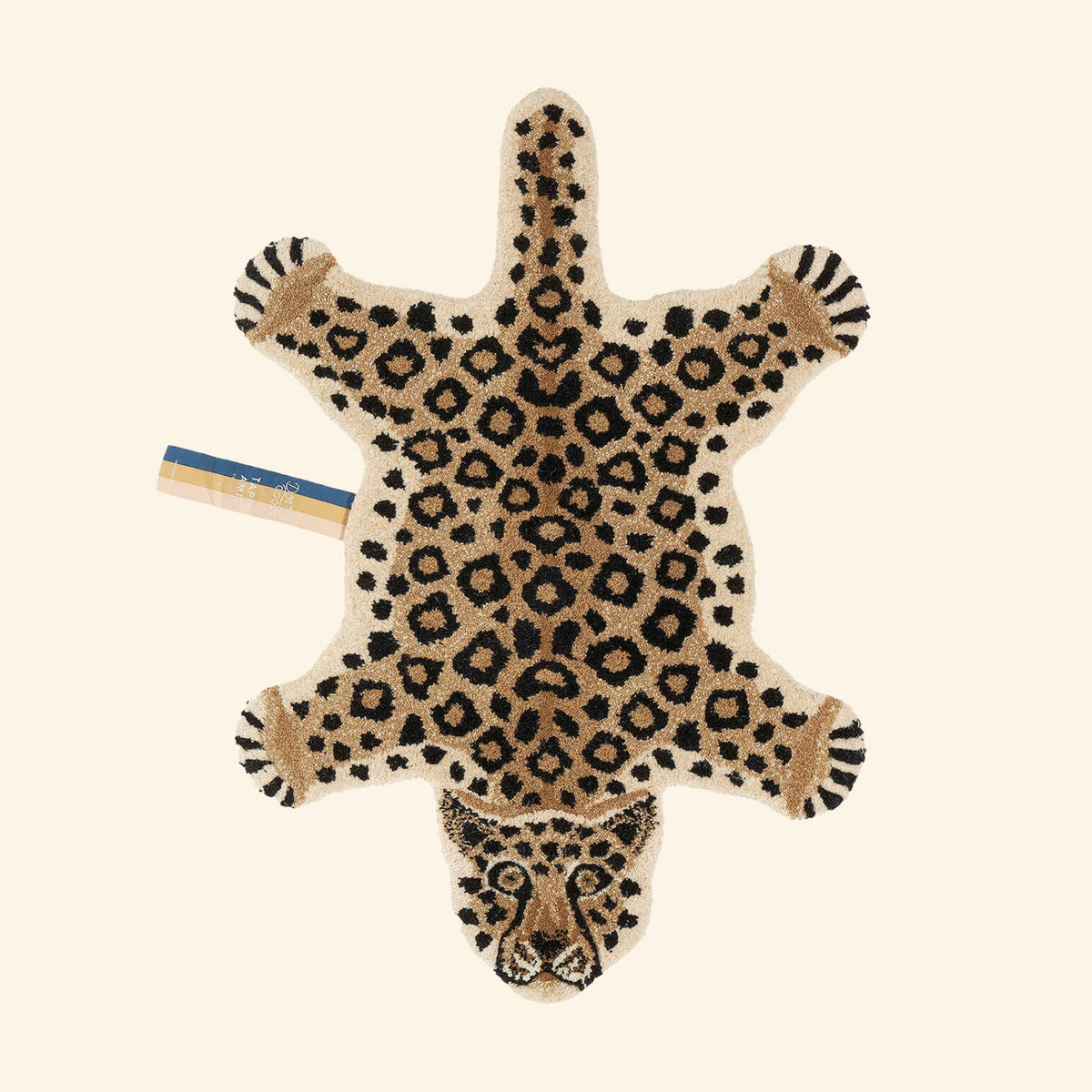
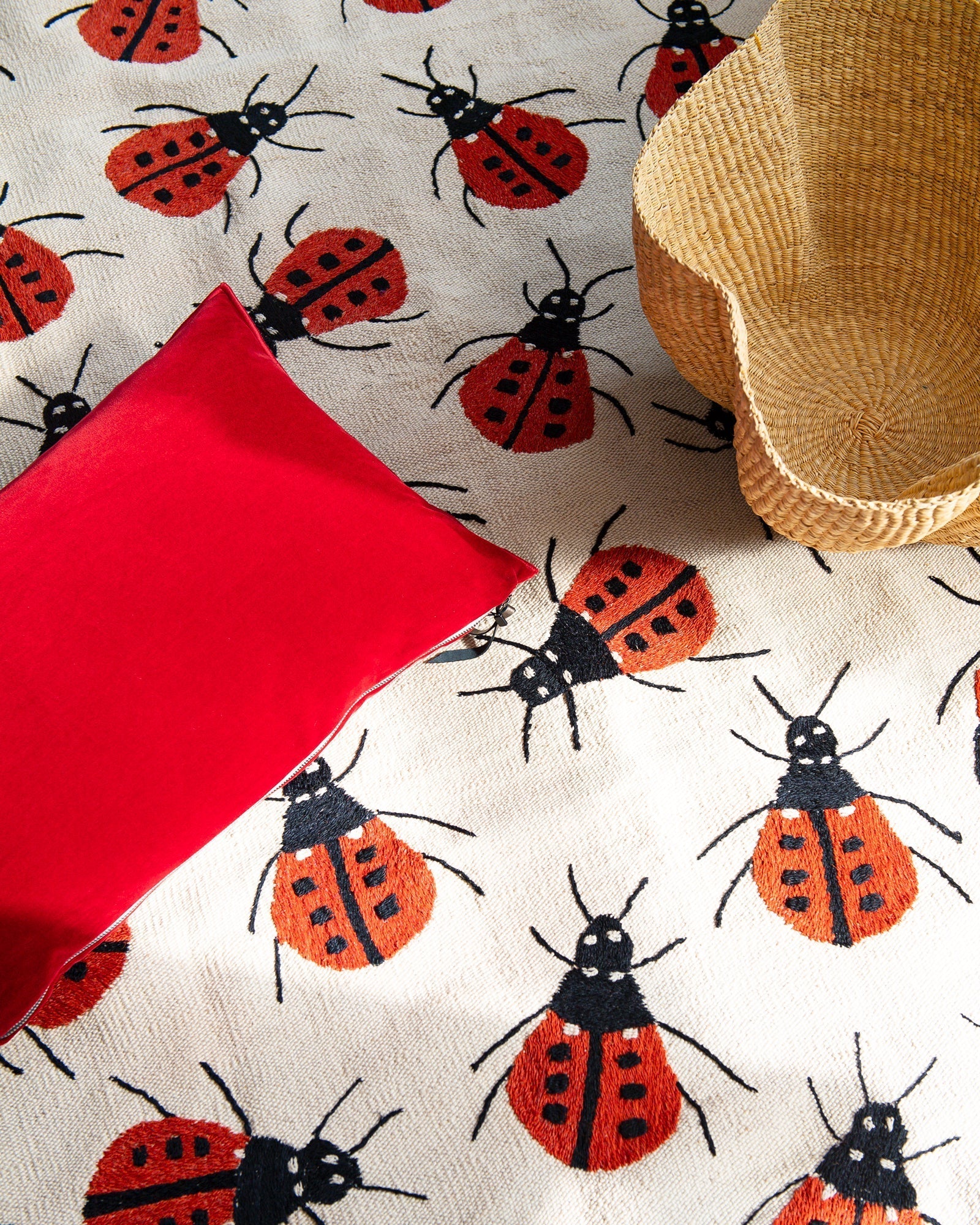
Our kilim rugs reinterpret traditional flatweave technique through expressive, almost folkloric imagery. Elephants and palms in soft neutrals. Rows of ladybugs in bold red against ivory. Flamingos in vibrant pink. Tigers in graphic repetition. Parrots perched in jewel tones. Entire ecosystems, insects, birds, animals, woven into balanced compositions that feel both playful and refined.
Because the pattern is built directly into the weave, the imagery feels integrated, not applied. The rug is art.
How Are Kilim Rugs Made?
Each of our kilim rugs is woven by hand on a loom in rural Punjab by a community of skilled women artisans. The process is slow and deeply intentional. Colored weft threads are interwoven through warp threads to create both the structure and the detailed imagery at the same time.
Depending on size and complexity, a single rug can take three to nine months to complete. The animal pattern, the symmetry, the color balance, none of it is accidental. Every element is mapped in advance and then executed through thousands of precise hand movements.
The result is not just a rug, but a testament to patience and craftsmanship. Subtle variations in tone and texture are not imperfections; they are evidence of the human hand.
Are Kilim Rugs Durable?
Yes, and remarkably so.
Because kilim rugs are flatwoven, they are tightly constructed and structurally strong. There is no pile to crush or shed, which makes them ideal for living rooms, dining rooms, and even entryways. Despite there intricate imagery, they are designed for daily life.
The flat surface also allows furniture to sit evenly without sinking into fibers, making them practical as well as visually impactful.
Are Kilim Rugs Soft?
Kilim rugs are smooth rather than plush. They do not have the deep cushion of a high-pile rug, but they offer a refined texture underfoot. The wool and cotton fibers create a firm yet comfortable feel that softens slightly over time.
If additional cushioning is desired, a rug pad underneath adds softness while preserving the integrity of the weave.
Are Kilim Rugs Washable?
These rugs are not machine washable and should never be saturated with water. Because they are handmade from natural fibers, excessive moisture can distort the weave or affect the dyes.
Gentle spot cleaning is appropriate for small spills, and professional cleaning by a specialist experienced with handmade textiles is recommended for deeper care.
How to Clean and Take Care of Kilim Rugs
Care is simple but important. Regular vacuuming without a beater bar keeps dust from settling into the weave. Rotating the rug every few months ensures even wear and balanced light exposure. If a spill occurs, blot immediately rather than rubbing, and avoid over-wetting the fibers.
With consistent care, these rugs can last for decades.
How to Decorate Around an Ornate Kilim Rug
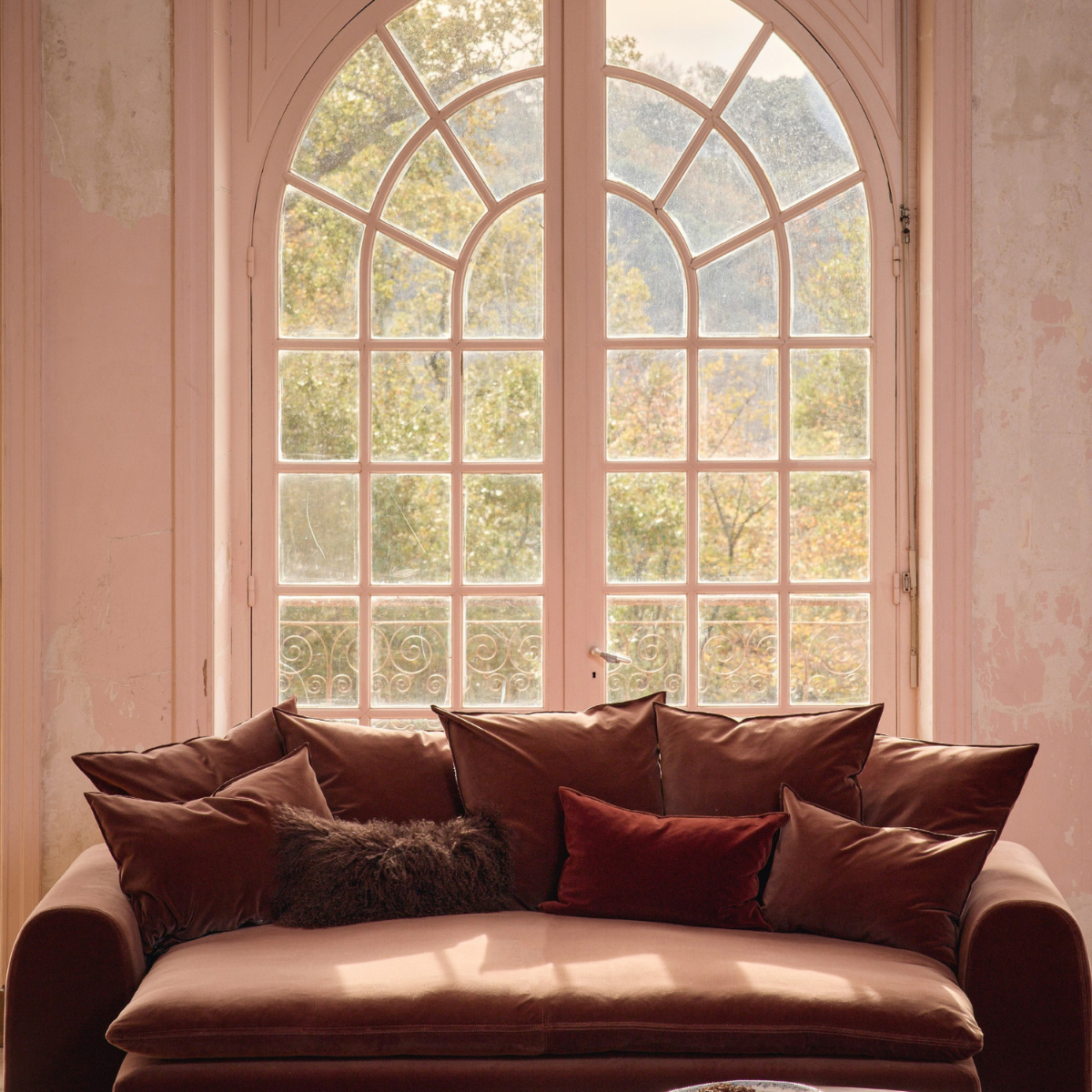
Because these kilims are visually rich, they naturally become the focal point of a room. In a neutral space with linen upholstery and light wood, an elephant or tiger image introduces narrative without overwhelming the design. In a minimalist setting, a field of ladybugs or flamingos feels unexpectedly sophisticated against clean lines.
In a child’s room, the animal imagery feels whimsical. In a formal living room, the same imagery reads as collectible textile art. That is the power of craftsmanship and composition, it transcends trends.
Layered beneath a dining table, placed at the foot of a bed, or centered in a sitting room, these kilim rugs ground the space with story.
This spring, instead of simply refreshing your decor, consider introducing something made slowly. Something that took months to complete. Somthing, carrying both tradition and imagination.
A kilim rug doesn’t just decorate a room.
It gives it soul.


Leave a comment
This site is protected by hCaptcha and the hCaptcha Privacy Policy and Terms of Service apply.