





Embracing Wabi-Sabi Through Handmade Artistry
In a world driven by speed and sameness, Wabi-sabi interior design offers a quieter, more intentional way of living. Rooted in the Japanese philosophy that finds beauty in imperfection, age, and authenticity, Wabi-sabi invites us to slow down and surround ourselves with objects that feel human. When paired with artisanal craftsmanship, this philosophy transforms a home into something deeply personal and alive.
Handmade ceramics, hand-stitched pillows, and indulgent mohair blankets are not simply decorative accents, they are expressions of time, touch, and tradition. By moving away from mass-produced décor and embracing organic home textures, even the most functional pieces, like beach bags and daily totes, can become soulful design elements that evolve beautifully with use.
The Soul of the Home: Handmade Ceramics and Pillows
At the heart of any Wabi-sabi home is tactility. Handmade ceramics and thoughtfully crafted pillows ground a space, offering visual warmth and physical presence that machine-made objects simply cannot replicate.
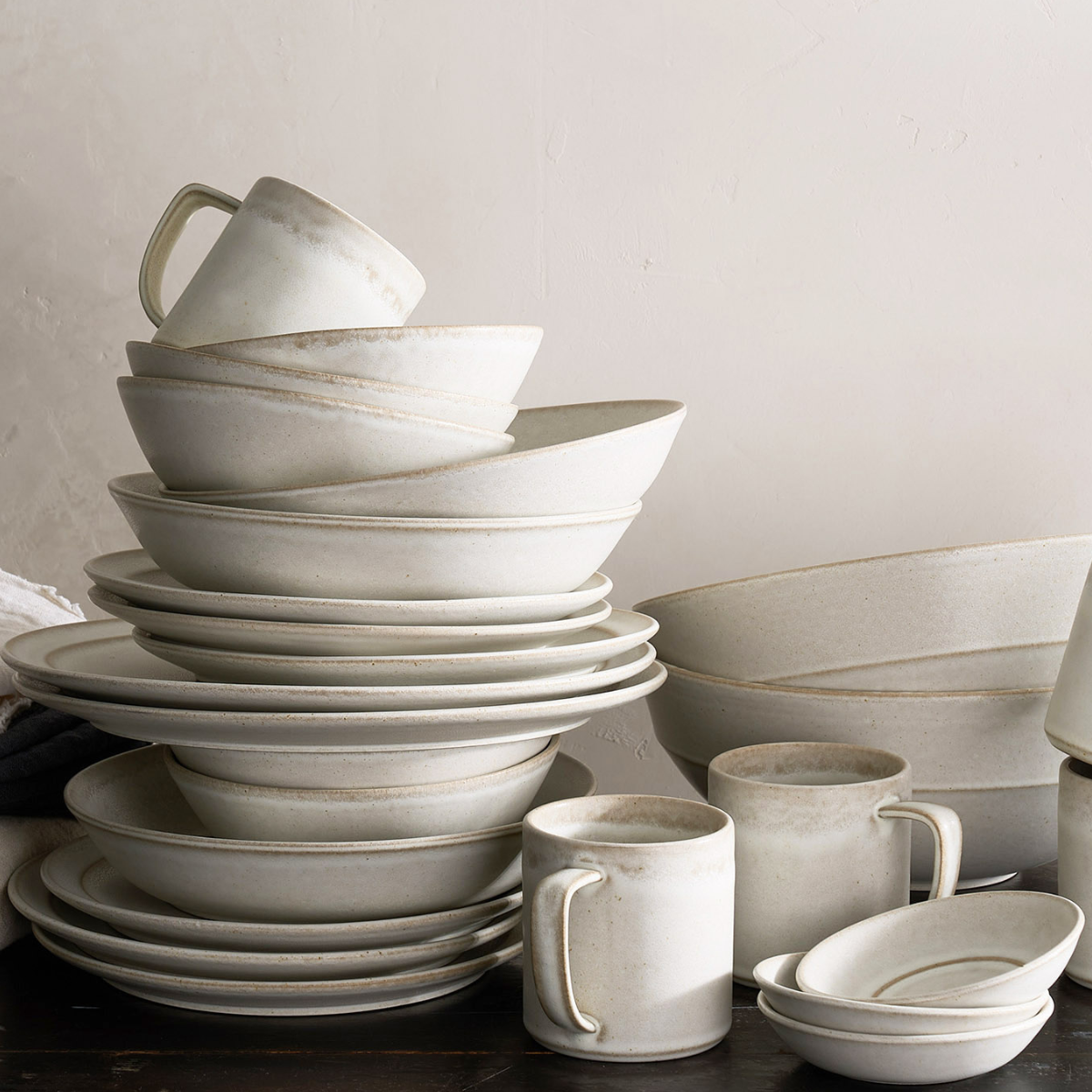
The stoneware vessels, vases and even lamps from CYM Ceramics embody this ethos beautifully. Their softly irregular rims, subtle glaze variations, and earthy palettes reflect the quiet poetry of the artisan’s hand. No two are exactly alike, and that individuality is precisely what gives them soul. Placed on an open shelf they bring a sense of calm and authenticity to everyday rituals.
Complementing these ceramics, the glass pieces from Ben’s Garden add a different, yet equally tactile, dimension. Their hand-blown and hand painted etched trays, and gently imperfect silhouettes feel timeless and lived-in, objects meant to be touched, used, and appreciated over time.
For softness, handmade pillows are essential. The embroidered pillows from Catstudio have geography-inspired designs like the New York City Pillow, Los Angeles, London, Paris or Hawaii blend artistry with storytelling. Each piece is meticulously stitched, with visible threadwork that celebrates the beauty of craftsmanship. In Wabi-sabi decor, these small inconsistencies, a slightly raised stitch or a subtle shift in texture, are not flaws, but intimate reminders that a real person made them.
Seasonal Transitions with Mohair and Natural Fibers
As seasons shift, Wabi-sabi encourages us to respond with warmth and softness rather than excess. Handmade mohair blankets are ideal for this transition, offering both visual depth and sensory comfort.
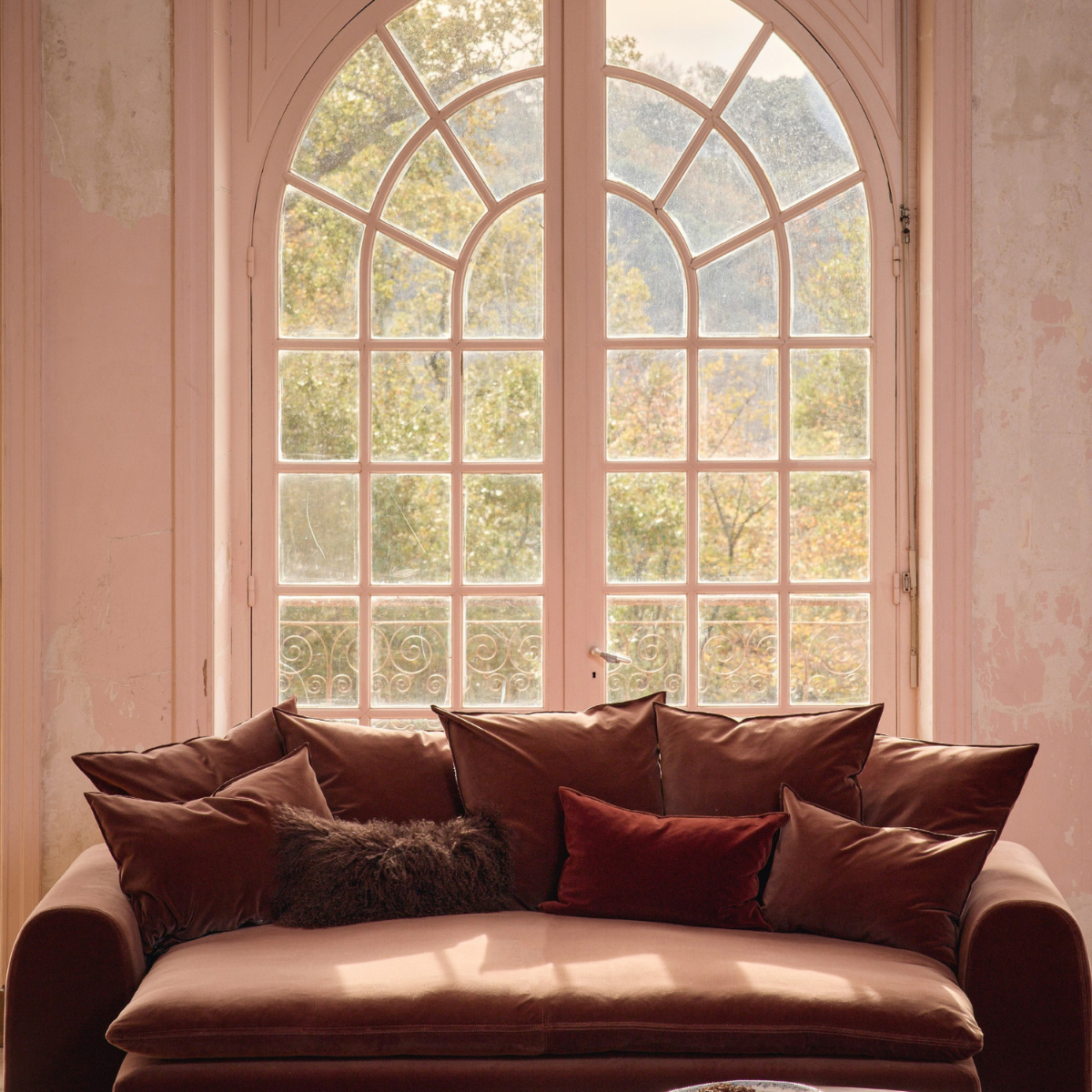
Mohair’s naturally fuzzy texture feels primal and indulgent, aligning perfectly with a Wabi-sabi appreciation for raw, honest materials. Draped over a sofa or folded at the foot of a bed, a mohair blanket introduces a tactile contrast to the clean lines and hard surfaces of modern architecture. Its weight and loft create a cocooning effect, a softness that counters the coldness of concrete, steel, and glass.
As a luxury natural fiber, mohair ages gracefully, developing character with time and use. Its slight shedding, organic irregularity, and evolving texture embody the idea that beauty is not static, but something that deepens through lived experience.
Functional Art: From Beach Bags to Daily Totes
Wabi-sabi is not reserved for objects behind glass or on shelves, it is meant to be lived with. Few items illustrate this better than a beautifully made bag that moves seamlessly between home and daily life.
The handcrafted bags from Jackson Bags blur the line between accessory and art. Their woven beach bags, oversized jute totes are designed for real use, yet feel sculptural in form. A large woven beach tote might begin as a summer essential, but over time it softens, fades, and molds to its owner’s habits. Phrases like “Mojito,” “Amour,” “Aloha,” etched on the bag brightens your mood every time you reach for the bag.
This gentle aging is central to functional Wabi-sabi. A bag that shows wear tells a story of days spent by the ocean, errands run, objects carried and loved. Rather than replacing it, Wabi-sabi invites us to cherish these marks as evidence of a life well lived.
Curating Imperfection in Your Daily Environment
The final step in embracing Wabi-sabi is a shift in mindset: from decorating to curating. A soulful home is not built all at once, but assembled slowly through meaningful choices.
Allow handmade ceramics to live in high-traffic areas, where they can be used daily rather than admired from afar. Hang a favorite beach bag on a wall hook as both storage and sculpture. Layer embroidered pillows casually instead of arranging them perfectly. These choices create a space that feels relaxed, personal, and alive.
In the end, a Wabi-sabi home is a collection of unique home accents united by their handmade nature. Each piece carries its own story, yet together they harmonize, imperfect, authentic, and deeply human.


Leave a comment
This site is protected by hCaptcha and the hCaptcha Privacy Policy and Terms of Service apply.